
The real difference between a registrar, celebrant and religious ceremony (and how it affects your photos)
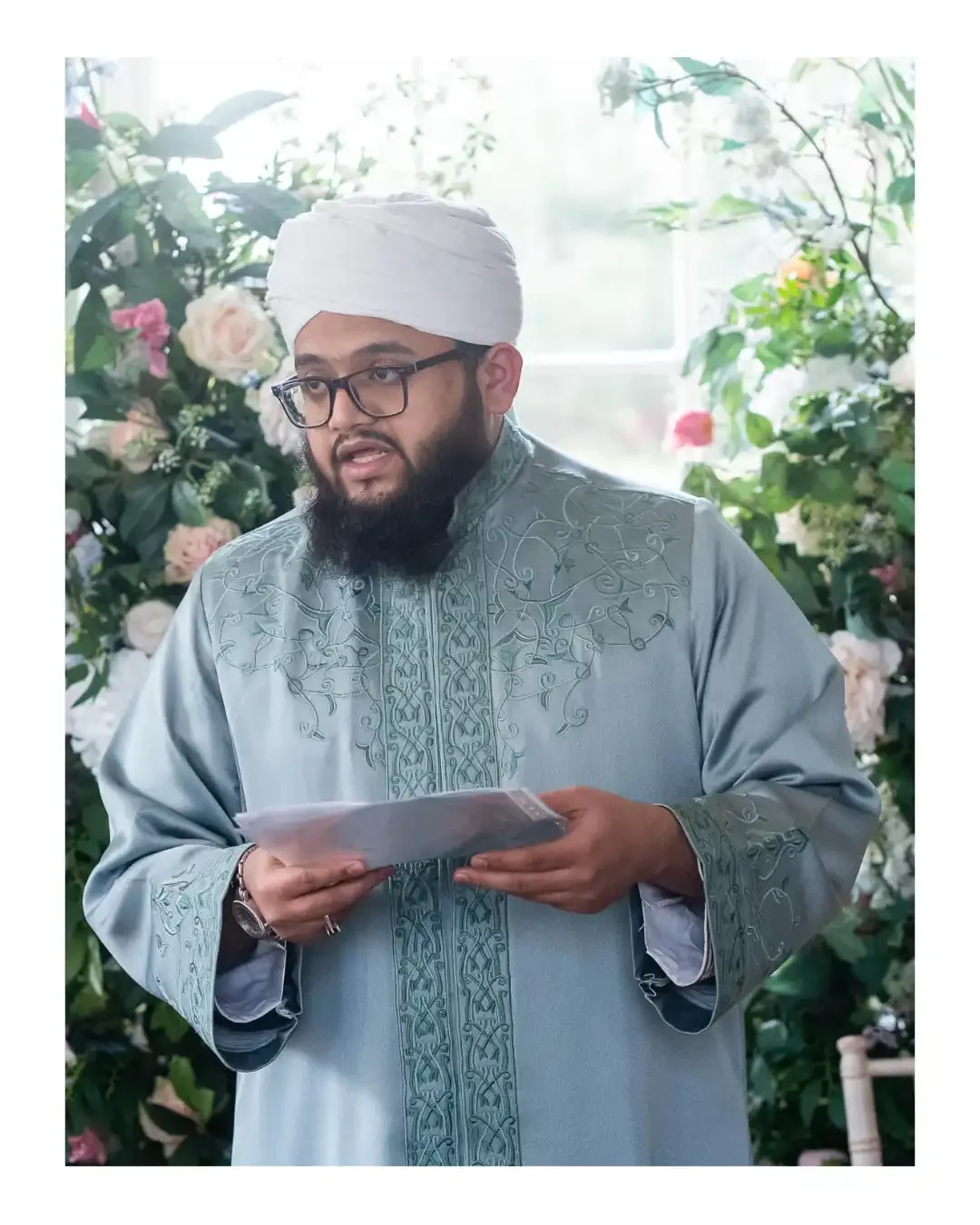
Most couples choose their ceremony type based on location or personal preference.
What often gets missed is how much that decision shapes the feel of the ceremony - and what’s actually possible photographically.
Registrar ceremonies
Registrar ceremonies are the most structured.
They’re legally binding and follow a fixed format. That usually means:
Limited flexibility on wording
Restrictions on music or readings (depending on venue)
Rules around where photographers can stand
Some registrars are relaxed, others are stricter. You won’t always know which until the day.
Celebrant ceremonies
Celebrant-led ceremonies are the opposite.
They’re fully bespoke and can happen almost anywhere. That means:
More freedom in layout and timing
More natural interaction between you and your guests
Fewer restrictions on movement and positioning
From a photography point of view, they tend to feel more open and less staged.
One important detail: celebrant ceremonies aren’t legally binding in England, so you’ll still need to do the legal part separately.
Religious ceremonies
Religious ceremonies vary a lot depending on the setting.
Some are quite flexible, others have strict rules about:
Where photographers can stand
Whether movement is allowed
Flash or sound restrictions
They also tend to be longer, which changes the rhythm of the day.
What couples don’t realise
The key difference isn’t just legal or stylistic. It’s how much freedom you have in the space.
That affects:
Where you stand
How close guests can be
Whether moments unfold naturally or feel more formal
None of these options are better or worse. But they do lead to very different experiences - and very different photos.